
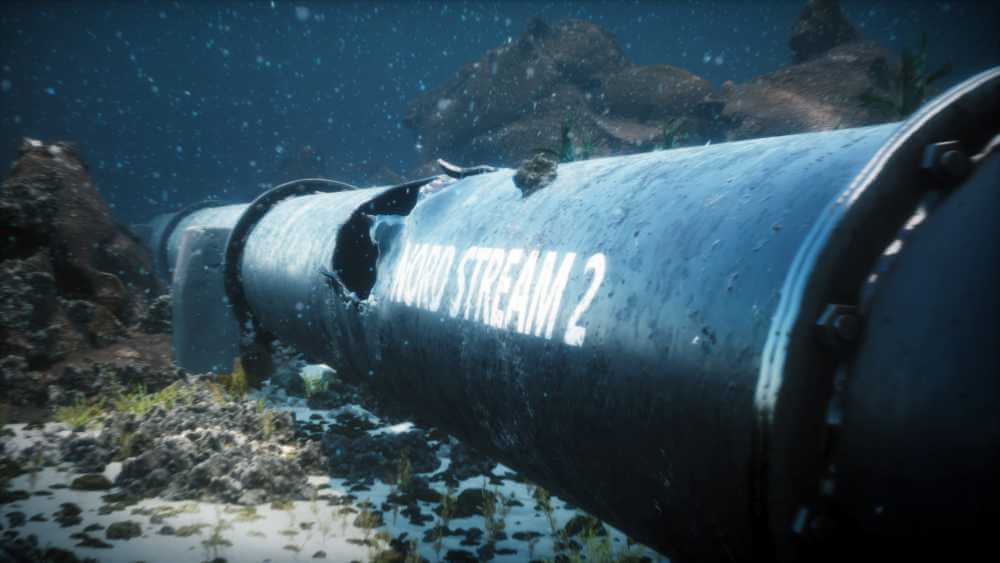
A recent judgment by the High Court in London has provided an important reminder that, in insurance, the cause of a loss can be just as significant as the loss itself.
The case concerned claims worth approximately €580 million brought by Nord Stream AG following the 2022 attack of the Nord Stream gas pipelines in the Baltic Sea. The company argued that the damage should be covered under its Terrorism and Sabotage insurance programme. However, the insurers successfully relied upon the policies’ war exclusion after the Court concluded that the damage occurred ‘directly or indirectly’ as a consequence of the war in Ukraine. Although the Court made no finding as to who carried out the attack, it determined that the conflict itself was a significant cause of the loss, bringing the event within the scope of the exclusion.
For businesses, the judgment is an important illustration of how insurers assess causation. Insurance policies do not simply respond because damage has occurred. They respond according to the insured peril that gave rise to that damage.
Why the Cause Matters
Nord Stream argued that the damage was a terrorism act.
However, the Court’s analysis focused on the underlying cause of the event rather than simply its method. Because the damage was found to have occurred in consequence of an ongoing war, the relevant War Risk exclusion applied.
That distinction can have substantial financial consequences.
Businesses with international operations, overseas assets or complex supply chains often assume that Political Violence is a single category of risk. In reality, insurers generally separate terrorism and war into distinct originating causes, with different underwriting approaches, policy wordings and specialist markets.
Terrorism and War Are Not the Same Insurance Exposure
Although both involve politically motivated violence, terrorism and war are fundamentally different insured perils.
Terrorism insurance is intended to protect businesses against losses arising from terrorist attacks. Depending on the policy, cover may include damage to property, business interruption and associated financial losses resulting from certified or defined acts of terrorism.
War risk insurance addresses a different category of exposure. It is designed to respond to losses arising from armed conflict, military operations, civil war, invasion, hostilities or other war-related events.
The distinction is not simply academic.
Two incidents may appear almost identical in terms of the physical damage they cause, yet produce entirely different insurance outcomes depending on whether the originating cause is determined to be terrorism or war.
The Nord Stream judgment demonstrates precisely this principle. Rather than deciding who carried out the damage, the Court considered whether the event arose because of the wider armed conflict related to the War. It concluded that it did, allowing the insurers to rely upon the war exclusion.
Increasing Relevance for International Businesses
As geopolitical tensions continue to affect global trade, businesses are becoming more exposed to losses arising from political violence.
Manufacturers, energy companies, infrastructure operators, commodity traders, logistics businesses and multinational organisations may all have exposures that extend beyond traditional property damage. Supply chain disruption, cargo losses, project delays, contractual liabilities and business interruption can all arise from geopolitical events.
These exposures are unlikely to be addressed by a single insurance policy.
An effective programme should consider the different causes that could give rise to loss, including terrorism, war, political violence, strikes, civil commotion and malicious acts, each of which may be treated differently by insurers.
A Joined-Up Approach to Political Violence Risks
The Nord Stream decision serves as a reminder that insurance is ultimately governed by policy wording and causation.
Businesses should not assume that protection against terrorism automatically provides protection against war-related events, or vice versa.
As geopolitical uncertainty continues to influence international trade and investment, reviewing these distinctions has become an increasingly important part of corporate risk management.
At W Denis, we work with clients to identify where standard insurance programmes may contain gaps arising from political violence exclusions and to structure specialist solutions where appropriate. Ensuring that terrorism, war risk and wider political violence exposures are properly considered can be critical to maintaining resilience when international events have commercial consequences.
To review your current arrangements or discuss your cover with a broker, contact Daniel Moss at Daniel.moss@Wdenis.co.uk or on 0044 (0) 113 2439812.
Share:




Specialist contact
Mark Dutton
Chief Commercial Officer
T. +44 (0) 7831 366 469
E. mark.dutton@wdenis.co.uk
Arrange a call back